ED is no longer just an older man's problem. In Kenya, increasing numbers of men under 40 are experiencing difficulty with erections — here's what's driving it and what actually works.
Erectile dysfunction has a reputation as something that arrives with grey hair. That reputation is wrong, and it is costing younger men years of unnecessary difficulty. At URO-CARE a substantial share of the men we see for ED are under 40 — and in that age group the causes are usually different, and often more reversible, than in older patients.
Why younger men are affected
In men over 60, ED is most often vascular — the same narrowing of blood vessels that causes heart disease. Under 40, the picture is more varied:
- Anxiety and performance pressure. The most common single factor in this age group. It is also the one men are least likely to raise, which is why it so often goes untreated for years.
- Metabolic conditions. Undiagnosed diabetes and high blood pressure are increasingly common in Kenyan men in their thirties, and both damage the small vessels erections depend on.
- Lifestyle factors. Smoking, heavy alcohol use, obesity and sedentary work all contribute measurably.
- Low testosterone. Less common than assumed, but genuinely present in a minority — which is why it should be tested rather than guessed at.
- Medication side effects. Some antidepressants and blood pressure drugs cause ED. This is worth reviewing with your doctor rather than simply stopping treatment.
Why it matters beyond the bedroom
ED in a young man is sometimes the first visible sign of a cardiovascular or metabolic problem that has not yet declared itself elsewhere. The vessels involved in erections are narrower than the coronary arteries, so they show damage earlier. Treating the symptom without investigating the cause misses that warning.
What treatment actually looks like
Assessment comes first: history, a physical examination, and blood work covering glucose, lipids and hormone levels. From there, options include:
- Addressing the underlying condition — controlling diabetes or blood pressure often improves erections directly.
- Oral medication — effective for most men, and appropriate as a bridge while other factors are addressed.
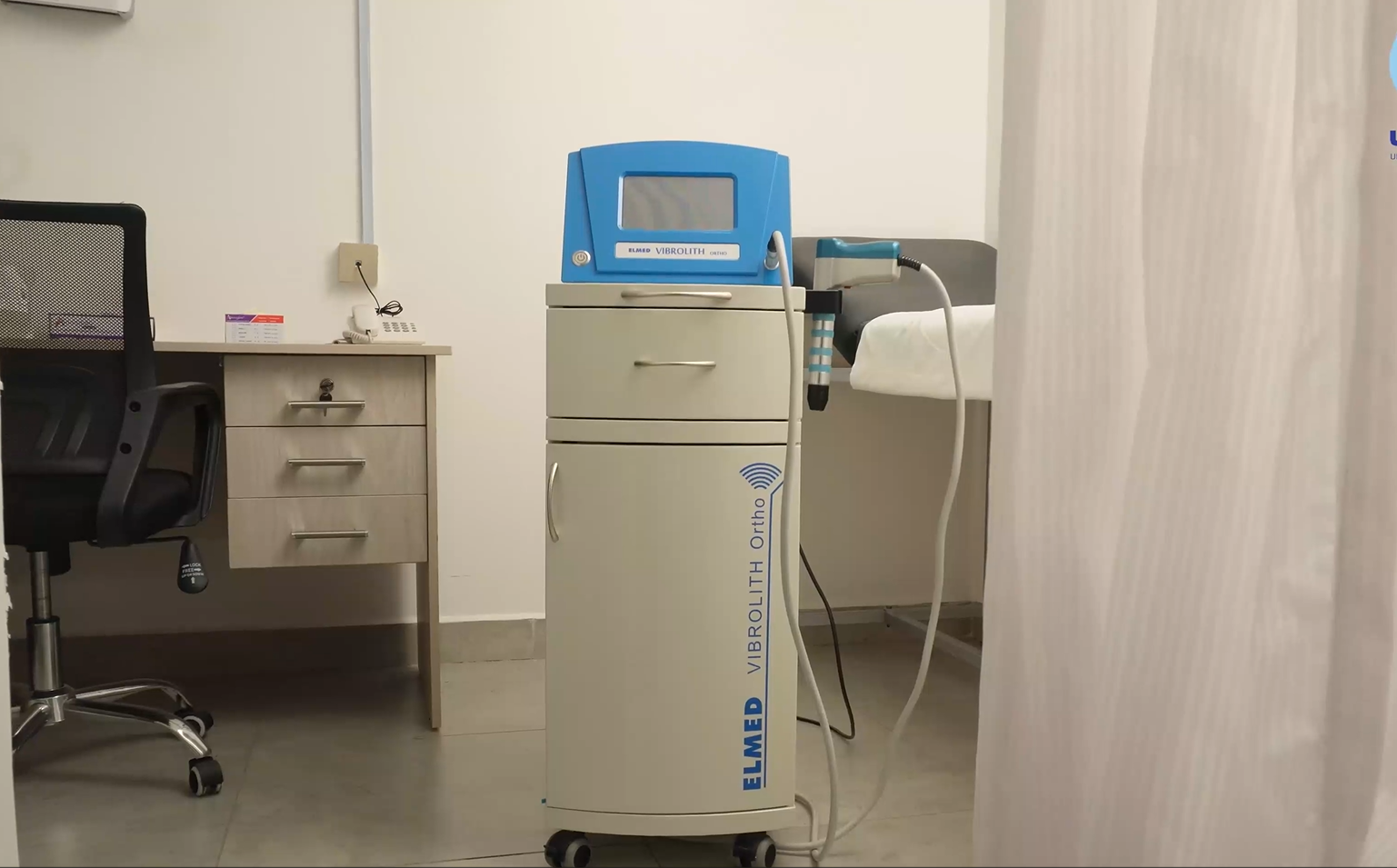
- Low-intensity shockwave therapy (LiSWT) — non-invasive, no medication, aimed at improving blood flow rather than masking the problem. URO-CARE is among the few clinics in Kenya offering it.
- Counselling — where anxiety is the primary driver, this is the treatment, not an add-on.
The delay is the real problem
Most men wait years before raising this. In that time an underlying condition goes untreated and the anxiety compounds. The consultation is confidential, it takes twenty minutes, and in the large majority of cases there is a straightforward path forward.