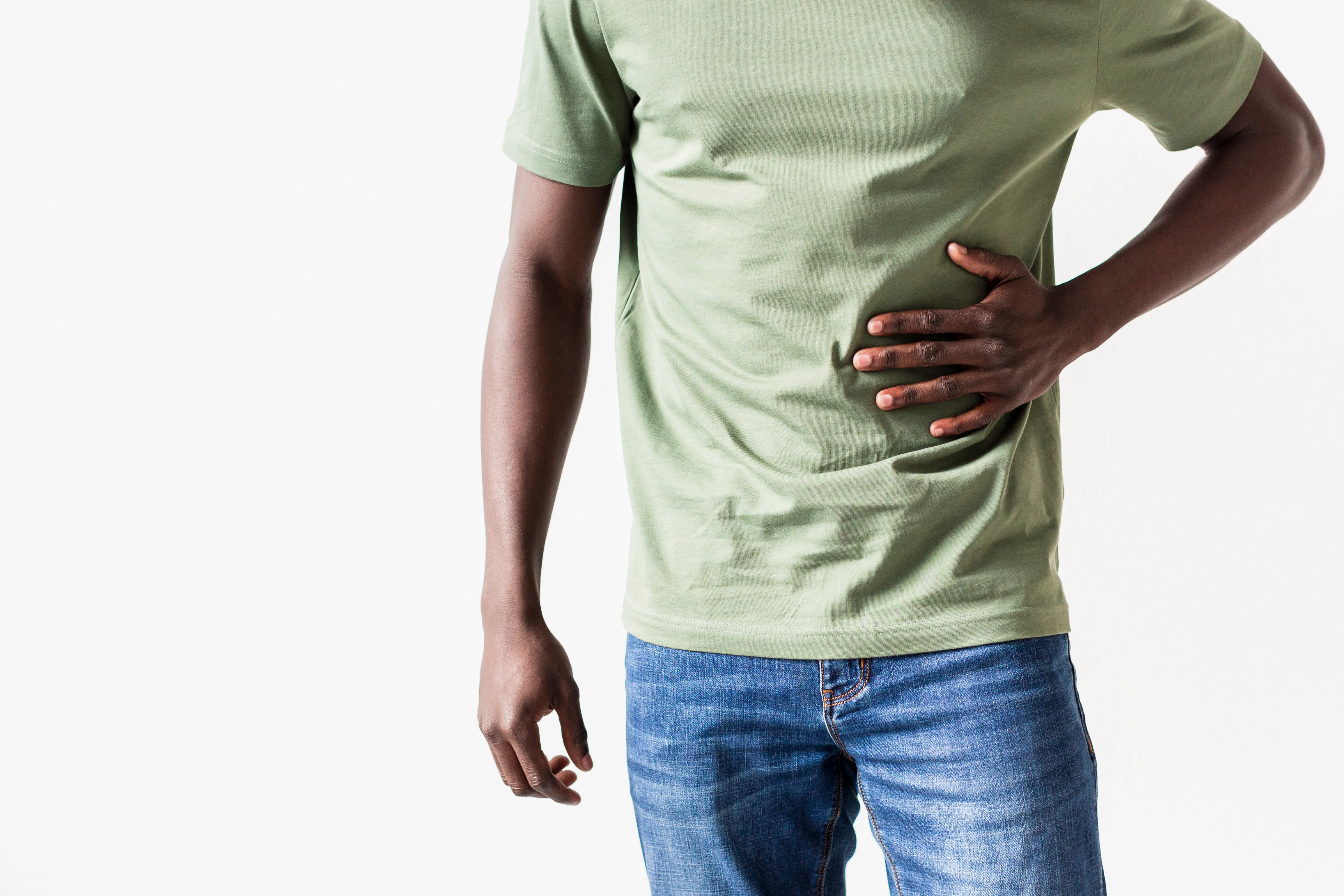
Sharp back pain, blood in urine, nausea — the symptoms are easy to mistake for something else. Knowing them early can save you an emergency admission.
Kidney stone pain is often described as among the most severe pain a person can experience — and yet the early signals, the ones that arrive before that point, are routinely dismissed as a pulled muscle or a stomach upset. Recognising them is the difference between a planned outpatient procedure and an emergency admission.
The symptoms worth acting on
- Sharp pain in the back or side, below the ribs. It typically comes in waves rather than staying constant, and it does not ease when you change position — which is what distinguishes it from muscular back pain.
- Pain that radiates to the lower abdomen and groin. This follows the stone as it moves down the ureter.
- Blood in the urine. Sometimes visibly pink or brown, sometimes only detectable on testing.
- Nausea and vomiting alongside the pain, caused by shared nerve pathways rather than anything you ate.
- Burning on urination, or a persistent urge with little passing.
- Cloudy or strong-smelling urine, which can indicate an accompanying infection.
When it becomes an emergency
Fever and chills alongside stone pain suggest an infected, obstructed kidney. That is a urological emergency requiring same-day assessment, not a wait-and-see situation. The same applies to being unable to pass urine at all.
Why stones are common here
Dehydration is the leading modifiable cause, and it is easy to underestimate fluid needs in Nairobi's climate — particularly for people working outdoors or in hot environments. Diets high in salt and animal protein, low fluid intake, and a family history all raise risk.
Treatment options
Small stones often pass with fluids, pain control and medication that relaxes the ureter. Larger ones need intervention:
- ESWL (shockwave lithotripsy) — external shockwaves fragment the stone. Entirely non-invasive, no incision, suited to smaller and softer stones.
- Laser ureteroscopy — a scope passed to the stone, which is then fragmented with a laser. Better for harder, larger, or lower ureteral stones.
- Percutaneous surgery — reserved for very large stones.
Imaging determines which is appropriate. URO-CARE offers ESWL and laser treatment on site at our Parklands clinic.
Preventing the next one
Roughly half of people who form a stone will form another within ten years without changes. Increasing fluid intake to produce pale urine throughout the day is the single most effective step. After a first stone, analysis of the stone composition guides more specific dietary advice — worth requesting rather than assuming general advice applies.