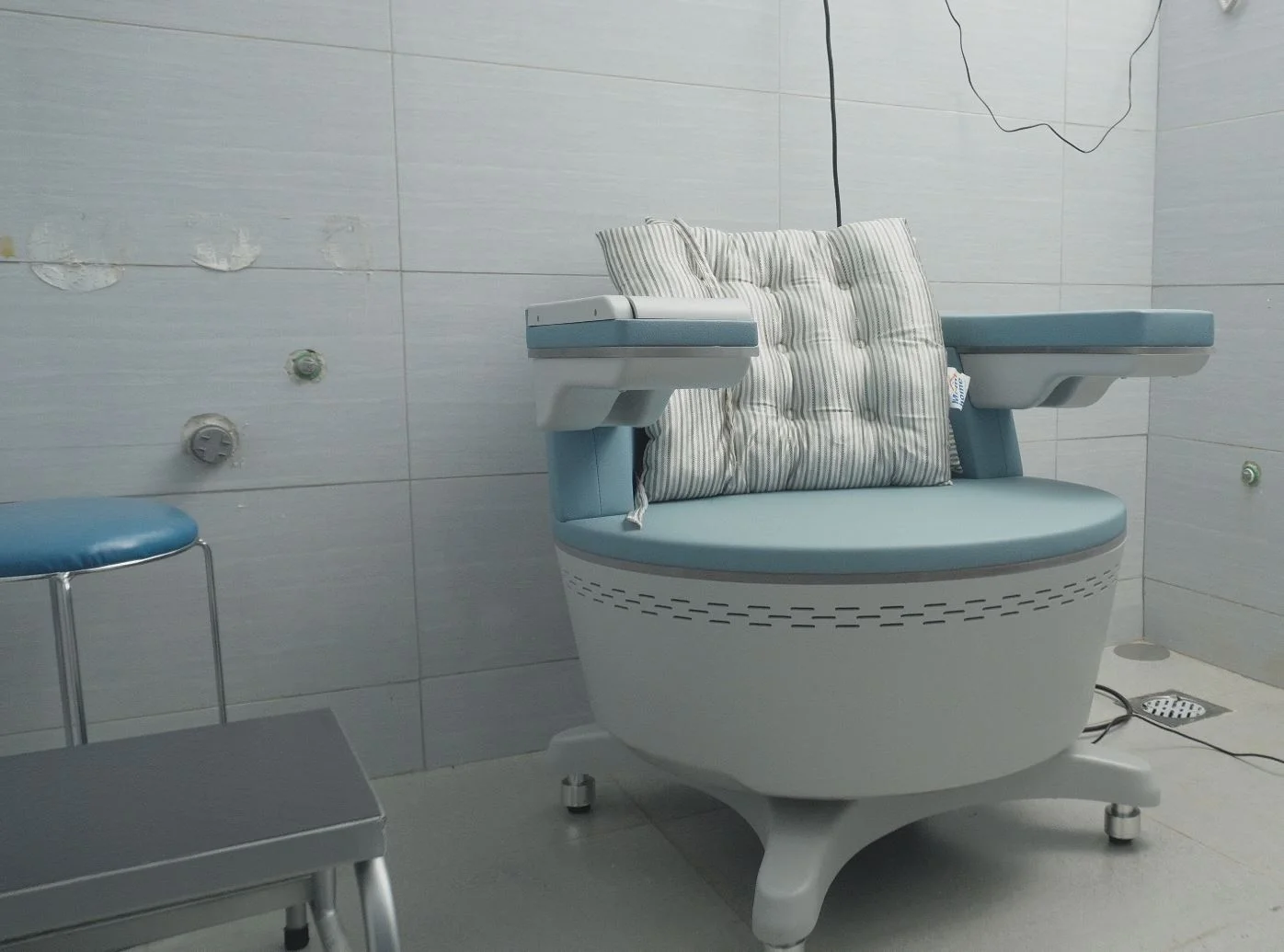
Leakage is common after prostate surgery and with age — but it is not something you simply live with. Here are the options, from pelvic floor training to surgery.
Urinary incontinence is treated by many men as an inevitability — of age, or of having had prostate surgery. It is neither. It is a symptom with identifiable causes and, in most cases, effective treatment.
The main types
- Stress incontinence — leakage on coughing, sneezing, lifting or exercise. The most common form after prostate surgery.
- Urge incontinence — a sudden, overwhelming need to urinate, sometimes with leakage before reaching a toilet. Usually reflects an overactive bladder.
- Overflow incontinence — dribbling because the bladder never empties fully, often due to an enlarged prostate obstructing outflow.
- Mixed — a combination, which is common.
Identifying which type is present matters, because the treatments differ substantially. Treating urge symptoms as though they were stress incontinence, or vice versa, does not work.
Assessment
A bladder diary — recording fluid intake, urination and leakage episodes over a few days — is genuinely informative and costs nothing. Beyond that, assessment may include urinalysis to exclude infection, a post-void residual measurement by ultrasound, and urodynamic testing where the picture is unclear.
Treatment, in order of escalation
- Pelvic floor muscle training. First-line for stress incontinence, and considerably more effective when taught properly than when attempted from a leaflet. Most men perform these exercises incorrectly without guidance.
- Bladder training and fluid timing. Effective for urge symptoms.
- Medication. Several classes exist for overactive bladder; the choice depends on symptoms and other medications you take.
- Treating the obstruction. Where an enlarged prostate is the cause, relieving the obstruction resolves the overflow.
- Surgical options. Male slings and artificial urinary sphincters are well-established for persistent stress incontinence after prostate surgery.
After prostate surgery specifically
Some leakage in the first weeks after prostate surgery is expected, and improves substantially over the following months for most men. Starting pelvic floor training before surgery, where possible, improves recovery. Persistent leakage beyond twelve months warrants assessment rather than acceptance.
Worth raising
Incontinence restricts what people do — travel, exercise, social life — long before they mention it to anyone. The treatments above are routine, and the consultation is confidential.